

Grant writing at Montrose Group is not a transaction. Instead, it is a multi-year project financing engagement built on a simple premise. The best funding source for a project is the one that matches the client’s priorities, timing, and readiness. Therefore, a strong grant writing strategy identifies that source before the application window opens.
Montrose’s proposal to the City of Marysville lays out this model in nine tasks. The tasks run from strategy through pursuit to delivery. Moreover, the same framework serves private developers, employers, port authorities, and nonprofits.
Strategy Comes First in Grant Writing
Task 1: Build a Capital Project Inventory
Task 1 builds a single, authoritative inventory of the client’s capital and operating needs. It draws on the client’s own documents, including capital improvement plans, rate studies, and master plans. Montrose also holds working sessions with every department. Each need then becomes a fundable project with a defined scope, cost, site control, match capacity, and timeline.
Just as important, Task 1 flags readiness gaps. Missing engineering, environmental review, or plan inclusion can disqualify an otherwise strong project.
Task 2: Match Projects to Funding Programs
Task 2 screens every project against state and federal programs. This is the heart of a grant writing strategy. Montrose scores each pairing on competitiveness, award size, match burden, and probability of award. Then, the team designs layered capital stacks so that no project depends on one uncertain source. Montrose also tells clients plainly which projects to hold for a later cycle.
Task 3: Create a 24-Month Funding Calendar
Task 3 turns the screen into a rolling 24-month funding calendar with internal deadlines and assigned leads. It sequences planning grants ahead of construction applications. That way, one award can serve as the match for the next.
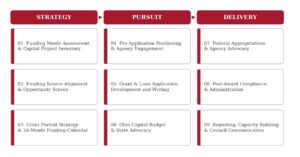
Figure 5. Montrose Group’s nine-task project financing model.
Pursuit: Putting the Grant Writing Strategy to Work
Pursuit is where most firms start, and it is where Montrose’s public-sector experience shows.
Task 4: Engage Program Officers Early
Task 4 arranges pre-application conversations with program officers. These include staff at OPWC, Ohio EPA, OWDA, the Department of Development, ODOT, ODNR, JobsOhio, and federal regional offices. During these talks, Montrose tests project concepts against reviewer expectations. The team also lines up letters of support from counties, employers, and elected officials.
Task 5: Write the Application
Task 5 is the writing itself. It includes full narratives aligned to scoring criteria, along with budgets and match documentation. It also covers the supporting data case and portal management, from SAM.gov and Grants.gov to OPWC WorksWise.
Tasks 6 and 7: Advocate for the Project
Tasks 6 and 7 add the advocacy layer that separates Montrose from a pure grant shop. This work includes capital budget earmark packages and Statehouse meetings. In addition, it covers congressionally directed spending requests. Finally, Montrose provides testimony on the operating budget and reauthorization outcomes that shape the programs clients depend on.
Delivery Completes the Grant Writing Strategy
Task 8: Manage Compliance
Delivery closes the loop. Task 8 briefs staff on award terms and builds a compliance calendar. In addition, Montrose advises on Uniform Guidance procurement, Davis-Bacon, Build America Buy America, and single audit obligations. As a result, the client sets up grant accounting correctly from day one.
Task 9: Report and Build Capacity
Task 9 provides monthly written pipeline reports and quarterly leadership briefings. It also includes an annual funding report presented in public session. Finally, Montrose trains staff so internal capacity grows over the term.
Why a Grant Writing Strategy Wins
Successful project financing is not as simple as knowing the key players or writing an amazing proposal. Instead, it requires careful planning before a funding program opens. It also requires detailed analysis of which programs fill critical needs. Finally, it takes strong execution on the application and advocacy for the project’s request. In short, a grant writing strategy turns funding from a gamble into a plan.
Contact Dave Robinson at drobinson@montrosegroupllc.com or 614-738-2109 to discuss a project financing engagement.