

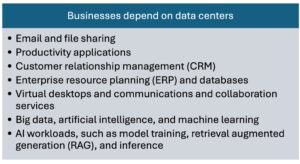
Data centers are physical facilities used by organizations to store, manage, and process critical applications and data. They serve as the backbone of modern digital services, enabling everything from cloud storage to online applications. A data center is built around a network of computing and storage resources that allow data and applications to be shared efficiently and securely.
The core components of a data center include routers, switches, firewalls, servers, storage systems, and application delivery controllers. Together, these elements ensure reliable data storage, fast processing, and secure communication between systems and users.
Modern data centers have evolved far beyond traditional on-premises server rooms. Today’s data centers support virtualized environments and operate across multi-cloud infrastructures, including public clouds, private clouds, and edge locations. When you store files in the cloud instead of on your personal computer, you are relying on data centers to securely store and deliver that data whenever you need it.
To function effectively, data centers must communicate seamlessly across multiple environments. Data is often distributed between on-premises facilities, cloud platforms, and edge computing locations. According to Cisco, the latest evolution in data center technology focuses on cloud-native architectures. These data centers are designed specifically to run cloud-native applications that use containers and microservices to improve scalability, flexibility, and performance.
Cloud-native data centers allow businesses to innovate faster, respond to changing demands, and deliver smoother user experiences. This shift is increasingly important as organizations modernize their infrastructure to remain competitive in the digital economy.
Data center design is typically built around three main elements. Network infrastructure connects physical and virtual servers, storage systems, and external users. Storage infrastructure holds the most valuable asset in a data center: data. Computing resources include servers that provide processing power, memory, local storage, and network connectivity needed to run applications.
Types of Data Centers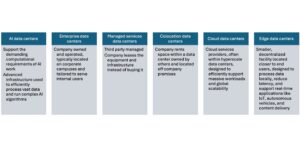
Data centers represent the point where the Industrial Revolution meets the Information Age. They require massive technology investments and careful site selection, and they vary widely depending on the purpose they serve. From supporting cloud services to powering global communication networks, data centers play a critical role in today’s connected world.